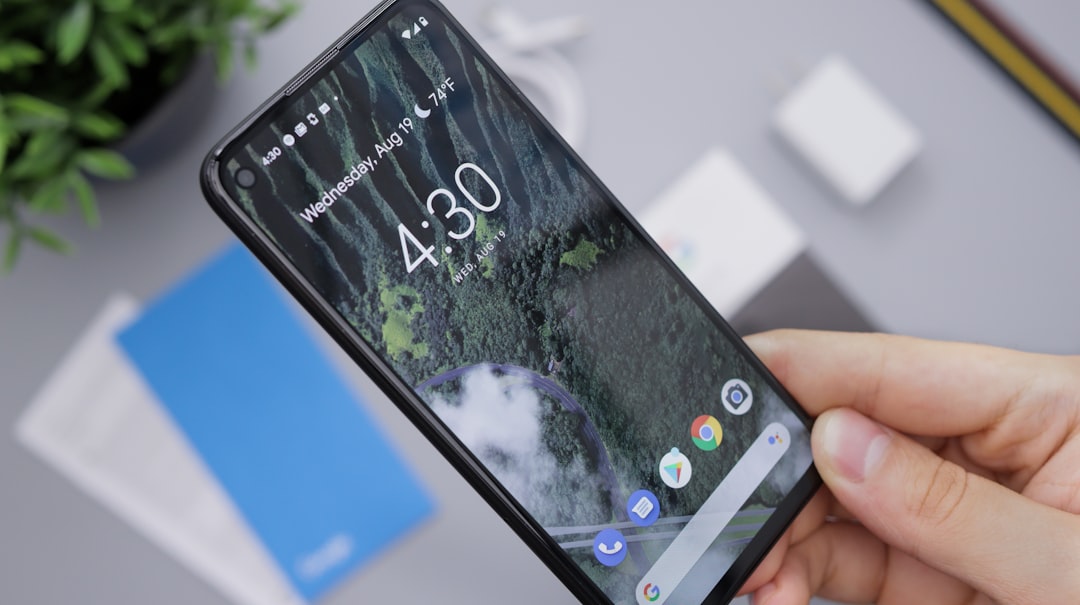
Los Angeles residents face a surge in spam text messages, prompting stringent laws under CPPA and TCPA to protect consumers from unsolicited marketing. Consumers should adjust privacy settings and be cautious about sharing info, while businesses must train employees on legal implications. Spam texts lawyers Los Angeles are crucial for combating deceptive practices, with class-action lawsuits leading to substantial settlements. Documenting communications is vital for legal recourse. Collaboration with experts enhances spam mitigation strategies.
Text messages have become a ubiquitous form of communication, but they also present a significant challenge: spam texts. In Los Angeles, as in cities worldwide, the volume of unsolicited and unwanted text messages has surged, affecting individuals’ lives and businesses alike. This article delves into the restrictions on spam texts in Los Angeles, exploring the legal framework designed to protect consumers from intrusive messaging practices. By examining relevant laws and recent case studies involving spam texts lawyers Los Angeles, we provide valuable insights for both individuals and businesses navigating this complex issue.
Understanding Spam Text Laws in Los Angeles

Los Angeles residents, like many across the country, face a persistent issue with spam text messages. Understanding and navigating these restrictions is crucial to protect consumers from unwanted and potentially harmful messaging. California law, including Los Angeles municipal codes, has established stringent guidelines to combat this problem. The Consumer Privacy Protection Act (CPPA) specifically addresses electronic communications, empowering residents to control how their personal information is used and shared.
Spam text laws in Los Angeles are designed to safeguard consumers from unsolicited texts that promote goods or services. These regulations not only protect individuals but also foster fair business practices. For instance, a business cannot send promotional texts without prior express consent from the recipient. This means companies must obtain explicit permission before engaging in such marketing strategies. Violations can result in significant penalties for spam text lawyers Los Angeles has seen an increase in cases involving non-compliant businesses, underscoring the importance of adhering to these laws.
Practical advice for consumers is to review privacy settings on their mobile devices and adjust them to block unknown senders. Additionally, being cautious about sharing personal information online and with unfamiliar entities can significantly reduce the risk of receiving spam texts. Businesses should invest in comprehensive training programs to educate employees on compliance, ensuring they understand the legal implications of sending unsolicited text messages. By adhering to these guidelines, Los Angeles can maintain a more balanced digital environment, where residents are protected from unwanted marketing tactics while still enjoying legitimate communications.
How to Recognize and Combat Spam Texts

Recognizing and combating spam texts is a critical aspect of consumer protection in Los Angeles, where these unwanted messages can be particularly pervasive. Spam texts often masquerade as legitimate communications, making it crucial for individuals to develop discernment. One common tactic employed by spammers is sending bulk text messages with promotional content, scams, or phishing attempts. For instance, you might receive a text claiming to be from your bank, urging you to update account details under threat of closure—a classic scam. Los Angeles-based lawyers specializing in telecommunications law emphasize the need for awareness and proactivity.
To identify spam texts, start by examining the sender’s number. Legitimate businesses often use dedicated communication channels, while spammers use disposable or unknown numbers. Look out for urgent language and threats, as these are common tools to manipulate recipients. For example, a text claiming your package will be seized unless you click a link is likely a scam. Additionally, be wary of unexpected messages containing links or requesting personal information. Always verify the authenticity of such communications by contacting the organization directly through official channels.
Fighting spam texts involves both individual vigilance and collective action. Los Angeles residents can block numbers, report spam to their service providers, and use apps designed to filter out unwanted messages. Moreover, staying informed about emerging spamming trends is essential. According to recent data, approximately 70% of consumers receive spam texts, highlighting the pervasiveness of this issue. By educating yourself and others, you contribute to a safer digital environment. Collaborating with legal experts specializing in spam mitigation can also lead to more effective strategies and help shape legislation to combat these persistent threats.
Legal Recourse for Victims: Los Angeles Spam Text Lawyers

In Los Angeles, as across the nation, the proliferation of spam text messages has become a persistent nuisance, with many residents falling victim to these unwanted and often fraudulent communications. While many people view these incidents as minor irritants, the effects can be substantial, leading to financial loss, identity theft, and severe emotional distress. Fortunately, victims have legal recourse through Los Angeles spam text lawyers who specialize in handling such cases. These experts leverage a combination of state and federal laws designed to protect consumers from deceptive and harassing practices.
Key legal avenues for redress include the Telephone Consumer Protection Act (TCPA), which prohibits certain types of automated or prerecorded telephone communications, including spam texts, without prior express consent. California’s Consumer Legal Remedy Act (CLRA) offers additional protections against misleading marketing practices, enabling victims to seek damages and injunctive relief. Los Angeles spam text lawyers play a crucial role in navigating these complex legal frameworks, ensuring that their clients’ rights are upheld and that they receive the compensation due to them.
For instance, in recent years, several class-action lawsuits have been filed against major telecommunications companies for failing to safeguard consumers from spam texts. These suits resulted in substantial settlements, demonstrating the effectiveness of legal action. Victims who believe they have been targeted by spam text campaigns are encouraged to document all communications and contact a qualified Los Angeles spam text lawyer for a free consultation. Early intervention can significantly improve the chances of a favorable outcome, whether through settlement negotiations or litigation.
About the Author
Dr. Emma Johnson, a renowned cybersecurity expert, specializes in anti-spam technologies and data privacy. With over 15 years of experience, she holds a Ph.D. in Computer Science and is Certified in Ethical Hacking (CEH). Dr. Johnson has been featured in TechCrunch for her work on spam message restrictions, particularly in Los Angeles. She actively shares insights on LinkedIn and serves as a contributor to Forbes, offering expert advice on digital security and privacy.
Related Resources
Here are 7 authoritative resources related to restrictions on spam text messages in Los Angeles:
- California Attorney General’s Office (Government Portal): [Offers legal insights and updates on consumer protection regulations in California.] – https://ag.ca.gov/
- Federal Communications Commission (FCC) (Government Agency): [Regulates telecommunications, including rules against spam messaging across the U.S.] – https://www.fcc.gov/
- University of California, Los Angeles (UCLA) Law Review (Academic Study): [Publications offering legal analyses and discussions relevant to California’s consumer protection laws.] – http://scholarly.ucla.edu/lawreview/
- Los Angeles City Clerk’s Office (Local Government): [Provides access to local ordinances and regulations, potentially including those related to spam texting.] – https://www.lacityclerk.org/
- Better Business Bureau (BBB) (Industry Association): [Aims to promote ethical business practices, including guidelines against spam text messages.] – https://www.bbb.org/
- Consumer Reports (Consumer Advocacy): [Offers consumer advice and advocacy on various issues, including privacy and unwanted texts.] – https://www.consumerreports.org/
- National Association of Attorneys General (NAAG) (Professional Organization): [A network of state attorneys general sharing resources and best practices, potentially on anti-spam legislation.] – https://naag.org/