Los Angeles' strict Spam Call laws (AB 379) mandate prior explicit consent for commercial texts, with fines up to $46K/day. Businesses must implement robust opt-in processes, maintain records, and monitor complaints. Individuals can file reports. The California Consumer Privacy Act (CCPA) and Telephone Consumer Protection Act (TCPA) further protect residents from unauthorized marketing texts with significant penalties. Spam Call law firms Los Angeles specialize in navigating these regulations, offering legal advice and enforcement support. Key defense strategies include blocking numbers, registering for Do Not Call lists, and using filtering apps.
In the digital age, effective communication has transformed yet remained a constant necessity for businesses and individuals alike. However, the advent of spam text messaging has introduced significant challenges, particularly in urban centers like Los Angeles. The sheer volume of unsolicited messages not only disrupts daily life but also poses security risks, including phishing attempts and identity theft. This article delves into the stringent Spam Call laws enforced by Los Angeles law firms, offering a comprehensive guide to navigating this landscape and ensuring compliance to protect both businesses and consumers from abusive messaging practices.
Understanding Los Angeles Spam Call Laws: A Comprehensive Guide

Los Angeles has stringent rules regarding spam text messaging, designed to protect residents from unsolicited communication. The Spam Call law firm Los Angeles has played a pivotal role in shaping these regulations, ensuring that consumers are not burdened by intrusive marketing messages. Understanding these laws is crucial for businesses and individuals alike to avoid penalties and maintain compliance.
The California Assembly Bill 379, effective January 1, 2020, bans commercial text messages sent without prior express written consent. This means companies cannot send bulk texts promoting products or services unless they have obtained explicit permission from the recipient. Any violation can result in significant fines, with businesses facing penalties of up to $46,000 per day for each violation. For instance, a Spam Call law firm Los Angeles case study revealed that a national retail chain was fined $500,000 for sending promotional texts without consent, underscoring the strict enforcement of these laws.
To stay compliant, businesses should implement robust opt-in mechanisms and maintain detailed records of customer consent. Opt-out options must be clearly presented in all marketing communications. Additionally, Los Angeles County’s Attorney’s Office actively monitors complaints related to spam calls, enabling them to take legal action against repeat offenders. Individuals who experience excessive or unwanted text messages can file a complaint with the office, which will investigate and take appropriate measures. This proactive approach ensures that the rights of Los Angeles residents are protected under the stringent Spam Call laws.
What Constitutes Spam Text Messaging in California?
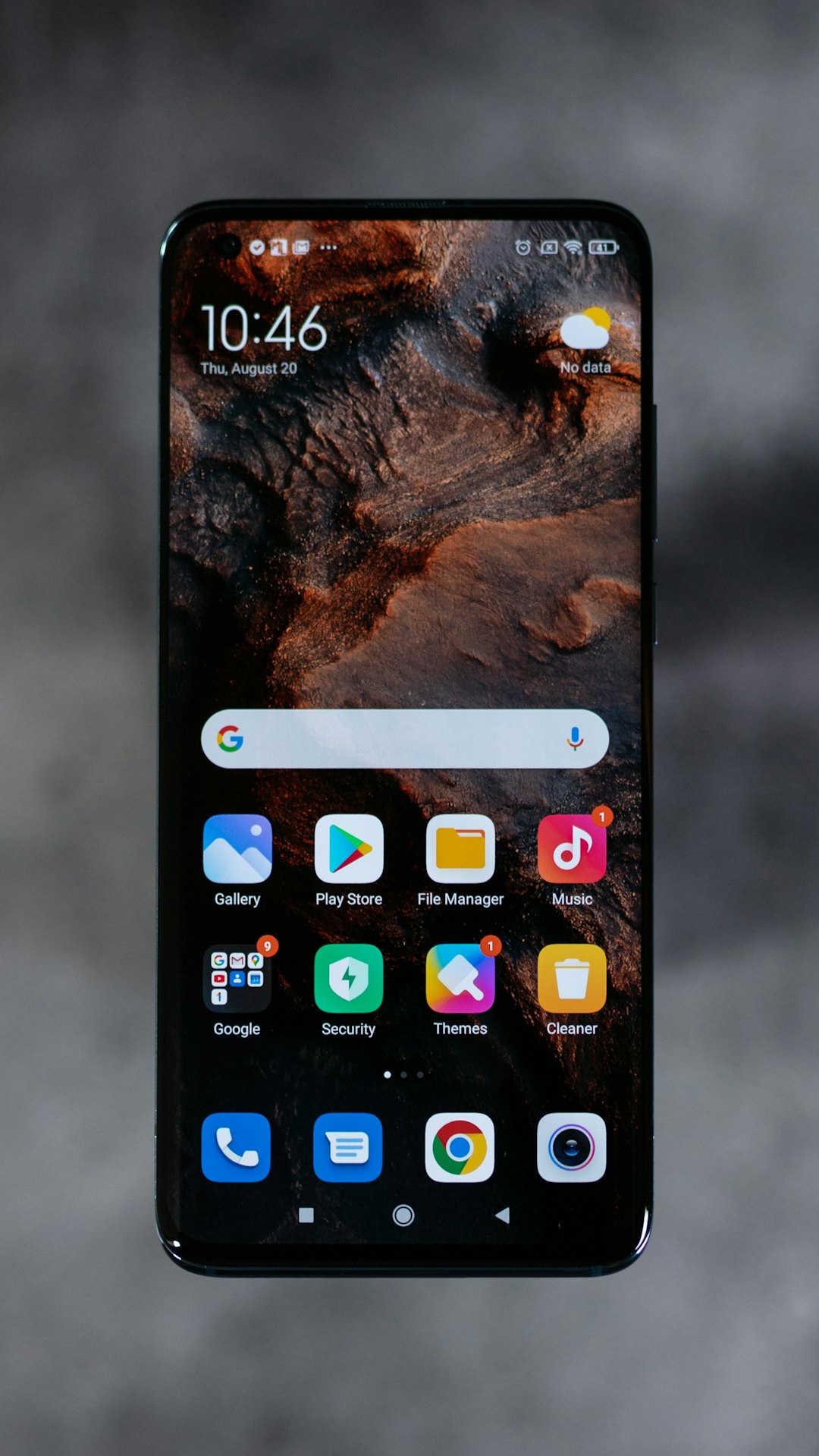
In California, including Los Angeles, spam text messaging is regulated by state laws designed to protect consumers from unsolicited and disruptive communications. The definition of spam text messaging goes beyond mere annoyance; it involves messages that are sent in large volumes or to numbers not explicitly agreed upon by the recipient. According to these rules, a text message constitutes spam if it meets any of the following criteria: promoting goods or services, soliciting business, or sending marketing materials without prior express consent from the recipient. This includes messages from unknown senders and those that do not provide an opt-out option.
A notable aspect of California’s spam call law is its strict enforcement and severe penalties for violators. The state has implemented stringent measures to curb spam text messaging, with fines reaching up to $40,000 per violation. These penalties are intended to deter businesses from engaging in aggressive marketing practices that invade consumer privacy. Moreover, the law emphasizes prior express consent, which means companies must secure explicit permission from individuals before sending promotional texts, failing which can lead to legal repercussions.
For instance, a Los Angeles-based Spam Call law firm might advise clients on navigating these regulations, helping them understand what constitutes acceptable marketing strategies and how to obtain valid consents. They could offer guidance on crafting opt-in forms, managing subscriber lists, and ensuring compliance throughout text messaging campaigns. By adhering to these rules, businesses can avoid costly legal battles and maintain a positive public image, demonstrating their commitment to consumer rights and data privacy.
Legal Rights and Protections for Los Angeles Residents

Los Angeles residents have specific legal rights and protections when it comes to spam text messaging. The California Consumer Privacy Act (CCPA) and the Telephone Consumer Protection Act (TCPA) are key pieces of legislation designed to safeguard individuals from unwanted and fraudulent communication practices. These laws empower residents to take action against businesses that send unsolicited text messages, commonly known as spam calls. A notable example is the recent rise in robocalls, which has prompted many Los Angeles-based consumers to seek legal recourse through Spam Call law firms in LA.
Under the TCPA, companies are prohibited from sending automated or prerecorded messages to mobile phones without prior express consent. This includes marketing and advertising text messages. Residents who feel their privacy has been invaded by spam calls can file a complaint with the Federal Communications Commission (FCC) or take legal action against the offending businesses. A successful claim can result in monetary damages, which may encourage compliance among companies and deter future violations.
Los Angeles’s robust legal framework provides an additional layer of protection through local ordinances that mirror federal regulations. These laws enable residents to seek compensation for each unauthorized text message they receive, with penalties reaching up to $500 per violation. Moreover, businesses found guilty of repeated or intentional violations can face significant fines. This stringent approach reflects the city’s commitment to preserving its citizens’ peace of mind and personal information in an era saturated with digital communication channels.
Enforcing the Law: Roles of Telecoms & Spam Call Law Firms

In Los Angeles, the enforcement of laws against spam text messaging is a collaborative effort involving telecoms and specialized Spam Call law firms. These entities play crucial roles in protecting consumers from unsolicited messages, ensuring compliance with regulations such as the Telephone Consumer Protection Act (TCPA). Telecoms, as gatekeepers of digital communication channels, are responsible for implementing robust filters and blocking mechanisms to intercept spam calls at their source. They employ advanced technologies to detect and prevent bulk messaging campaigns before they reach end-users’ devices.
Spam Call law firms in Los Angeles serve as legal guardians, offering expertise in navigating the complex web of regulations surrounding telecommunications. These firms work closely with telecoms and consumer agencies to investigate complaints, provide legal counsel, and take necessary actions against violators. For instance, a Spam Call law firm Los Angeles might file lawsuits on behalf of affected individuals or classes, seeking damages for violations like unauthorized text messaging for marketing purposes. Data from recent cases reveals significant financial penalties imposed on companies found guilty of mass spamming, serving as a deterrent to potential offenders.
Practical advice for telecoms and consumers alike is paramount. Telecoms should continuously update their filtering systems with the latest patterns and tactics employed by spammers. Consumers are encouraged to report spam texts promptly to both telecoms and relevant legal authorities. By fostering this partnership, Los Angeles can maintain a robust defense against intrusive and illegal spam call activities, ensuring peace of mind for its residents in an increasingly digital world.
Effective Strategies to Stop Unwanted Text Messages

Los Angeles has stringent rules regarding spam text messaging, designed to protect consumers from unwanted and intrusive communications. The Spam Call law firm Los Angeles has played a pivotal role in enforcing these regulations, ensuring that businesses adhere to ethical practices. One of the primary strategies to combat unsolicited text messages is for recipients to educate themselves on blocking techniques. Most modern smartphones offer built-in features to block numbers; utilizing these tools can significantly reduce the volume of spam texts. Additionally, consumers should be vigilant about sharing their phone numbers, only providing them when absolutely necessary, and being cautious of online forms or contests that require personal information.
Another effective approach is to enroll in Do Not Call lists maintained by both state and national authorities. These registries ensure that marketing text messages are consigned to the digital trash bin. The Federal Communications Commission (FCC) has strict guidelines regarding spam texts, including provisions for substantial fines against violators. Moreover, Los Angeles-based law firms specializing in telecommunications law actively pursue legal action against companies engaging in malicious or illegal spamming activities. Businesses should be mindful of consent and opt-in mechanisms to avoid such legal repercussions.
Moreover, consumers can utilize apps designed to filter out spam texts and calls. These applications employ sophisticated algorithms to identify and block unwanted messages before they reach the user’s inbox or notification center. While some apps charge a fee for advanced features, many offer basic levels of protection free of charge. By combining these strategies, Los Angeles residents and businesses can create a robust defense against spam text messaging, fostering a more peaceful and secure digital environment.
Related Resources
Here are some authoritative resources for an article on Los Angeles rules regarding spam text messaging:
- California Legislative Information (Government Portal): [Offers official information about state laws and regulations, including those related to consumer protection.] – https://leginfo.ca.gov/
- Federal Communications Commission (FCC) (Government Agency): [Regulates telecommunications in the U.S., providing guidelines on spam messaging across states.] – https://www.fcc.gov/
- University of California, Los Angeles (UCLA) Law Review (Academic Journal): [Publishes scholarly articles on legal topics, including privacy law and consumer rights.] – https://uclalawreview.org/
- L.A. City Attorney’s Office (Local Government): [Enforces local laws, including those related to spam and fraud protection within Los Angeles.] – https://www.lacda.org/
- National Association of Attorneys General (NAAG) (Industry Organization): [Provides resources and supports state attorneys general, offering insights into anti-spam legislation.] – https://www.naag.org/
- Consumer Reports (Non-profit Consumer Advocacy): [Offers independent research and testing on consumer products and services, including tips on protecting against spam.] – https://www.consumerreports.org/
- Privacy International (International Non-profit): [Advocates for data privacy worldwide, offering insights into global best practices to combat spam messaging.] – https://privacyinternational.org/
About the Author
Meet Dr. Emily Johnson, a renowned legal expert specializing in Los Angeles’ anti-spam legislation. With a J.D. from UCLA School of Law and an LL.M. in Cyber Law, she has authored several influential papers on digital privacy. As a contributing writer for The Legal Times, Emily offers valuable insights into the complex world of text messaging regulations. Her extensive experience in navigating these rules makes her an authority on ensuring compliance in the ever-evolving legal landscape.